
APAI Officer Elections are Now Closed
Ballot closed Monday, May 5, 2026 at 5:30pm CST.
Results will be Announced Soon
The APAI Constitution states that elected officers shall serve two-year terms and may not serve for more than two elected consecutive terms in the same office. The office of President and Treasurer shall become vacant on even numbered years, while the office of Vice President and Secretary shall become vacant on even numbered years (2026). Newly elected officers will assume their duties of office on July 1, 2026.
The APAI bylaws state,
“The President shall be the Chief Executive Officer of the Association, speak on the behalf of the Association, and preside over all meeting of the Association. The President shall appoint Regional Vice Presidents and serve on the Executive and Finance Committees. The President shall oversee the activities of all officers, function as the liaison between the Executive Director and the Executive Committee, and be responsible for the coordination of communications between the Association membership and other criminal justice professionals and organizations.”
The bylaws also state,
“The Treasurer shall oversee all financial affairs of the Association and provide information and support to the Finance Committee. The Treasurer and Executive Director shall submit an annual budget containing personnel, operating and related fiscal information to the Executive Committee for approval a minimum of sixty days prior to consideration. The Treasurer shall present the Executive Committee approved Association budget to the membership at the Annual Business Meeting. The spending of funds not approved in the current budget shall require the authorization of the Treasurer, President, Vice President and Executive Director. The Treasurer shall perform such other tasks as the President may assign.”
President Nominees

Name
Kecia Rongen
Title
Chair, Washington State Indeterminate Sentence Review Board
Parole Board/Releasing Authority and Years Served
Washington State Indeterminate Sentence Review Board / approx 13.5 years
Degrees
BA Psychology-1995
MA Counseling-1999
Previous Experience
Kecia has worked within the criminal justice system for over 25 years, specializing with individuals who have committed sex offenses as well as co-occurring disorders (mental health and substance abuse disorders). She began her career working with youth in the juvenile justice system, starting out in a maximum-security residential facility, and then moving to parole. Just prior to coming to the Board, she served as the statewide Administrator for Sexual Offender Programs within the Juvenile Rehabilitation Administration. In addition, she has served on a number of legislative workgroups related to policies for people who commit sex offenses.
Previous Service with Professional Organizations
- Association of Paroling Authorities International
- Chair of the Public Relations Committee-2019
- Treasurer-2020-2022
- Vice-President-2022-present
- WA State Sentencing Guidelines Commission Member-2015-2026
- WA State-Association for the Treatment of Sexual Abusers Board Member 2012-2015
- Sex Offender Policy Board Member 2008-2016, Chair-2010 & 2015
Other Relevant Biographic Information
Kecia was awarded the APAI President’s Award in 2025, for significant contribution to the field of parole and APAI. In addition, she received the Philip L. Russell Ph.D. Achievement Award for Outstanding Contributor to the Field of Sex Offender and Victim Rehabilitation by the Washington Association for the Treatment of Sexual Abusers.
Kecia is a trainer for the Structured Decision-Making Framework for paroling authorities. In addition, she is a trainer for new Board Chairs and new Board Members through the National Institute of Corrections.
What three issues do you believe are most important to the field of parole/early release?
The field of parole and early release is at a key moment shaped by evolving research, public expectations and the complex needs of the individuals we serve. I believe three of the top issues in our field for our continued progress are: advancing the use of evidence-based practices in decision-making, maintaining public trust through education, transparency, and victim inclusion, and collaboration with partners to improve successful reentry.
- We must continue to advance the use of evidence-based practices to guide our decisions. These approaches enhance consistency, fairness, and accountability. At the same time, we must ensure that data-informed tools are applied thoughtfully, with attention to individual circumstances and a commitment to equity in every decision we make.
- Trust is fundamental to the legitimacy of our work. This requires ongoing education, clear communication, and transparency in our processes. Equally important is meaningful victim inclusion, ensuring that those impacted by crime have a voice in the process. Incorporating principles of Restorative Justice helps balance accountability, healing, and informed decision-making while reinforcing confidence in the system.
- Successful reentry depends on strong collaboration across systems. By working closely with community partners, supervision agencies, and service providers, we can better support individuals transitioning back into the community. Aligning these efforts with the goals of Public Safety ensures that reentry strategies promote both individual success and community well-being.
Together, these priorities position our field to continue to move forward with integrity, effectiveness, and a shared commitment to outcomes that benefit individuals, victims, and the communities we serve.
How do you propose to promote APAI’s vision, to be the recognized voice for the highest professional standards of responsible parole/releasing practices?
I would focus on three key strategies:
- Leadership through Education - I would prioritize education and knowledge-sharing as the foundation of our influence. This includes expanding access to training, promoting evidence-based decision-making, and creating opportunities for ongoing professional development across jurisdictions.
- Strengthening Professional Standards - I would work to strengthen and promote clear professional standards that reflect excellence, accountability, and integrity in releasing practices. APAI is uniquely positioned to define what responsible decision-making looks like on a global scale. By reinforcing ethical guidelines, supporting consistency in practice, and encouraging transparency, we can further establish credibility and trust in our field.
- Expanding our Collective Voice through Collaboration - I would expand APAI’s voice through strategic collaboration and engagement. Partnering with allied organizations, community stakeholders, and system leaders strengthens our ability to influence policy and practice. By integrating the principles of Public Safety and Restorative Justice discussed, our message conveys a balanced approach that emphasizes accountability, rehabilitation, victim inclusion, and community safety.
Why do you believe you are the best candidate for this position?
I bring a combination of experience, leadership, and a deep commitment to advancing the field of parole and early release, as well as the association in a thoughtful and balanced way.
With over two decades of experience in the criminal justice system, I have developed a comprehensive understanding of the complexities involved in release decision-making, particularly with individuals who present higher risk and specialized needs. My work has consistently focused on balancing accountability, rehabilitation, and community safety, while ensuring that decisions are grounded in evidence-based practices and individualized assessment.
I have also demonstrated a strong commitment to collaboration and leadership. Throughout my career, I have worked across systems, partnering with treatment providers, supervision agencies, and stakeholders to improve outcomes and strengthen reentry success. I understand that meaningful progress in our field requires not only sound decision-making, but also strong partnerships and shared responsibility.
In addition, I am deeply committed to professionalism, integrity, and transparency. I recognize the importance of maintaining public trust and ensuring that victims have a voice in the process. I approach this work with respect for all perspectives, and with a clear understanding of the responsibility entrusted to those in decision-making roles.
Further, I hope my commitment to the association is evident through years of active service across multiple committees. These roles have provided me with a deep understanding of the organization’s mission, operations, and member needs, while consistently contributing time, leadership, and collaboration to strengthen the association. It would be an honor to serve in this role and to contribute to advancing our shared mission with dedication, integrity, and purpose.
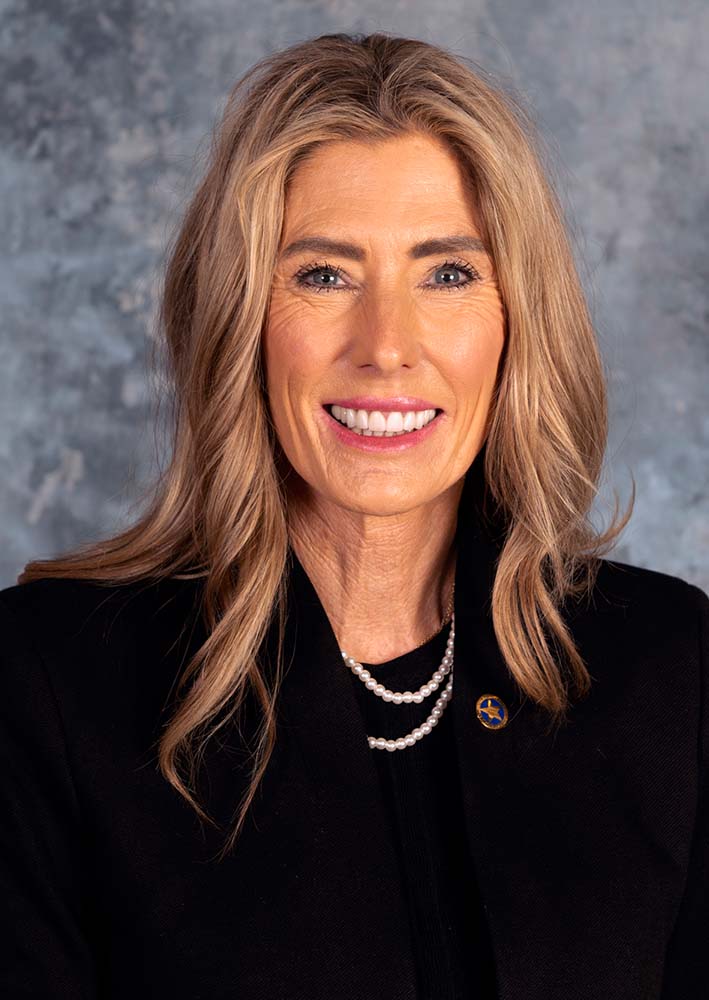
Name
Marsha Moberley
Title
Presiding Officer (Chair), Texas Board of Pardons and Paroles
Parole Board/Releasing Authority and Years Served
Texas Board of Pardons and Paroles / 16 years
Degrees
Bachelor of Science, Criminal Justice 1997
Previous Experience
Chief Probation Officer, Director Juvenile Services
Previous Service with Professional Organizations
- Chair of Panhandle Regional Planning Commission Criminal Justice Advisory Board (prior)
- Chair, Panhandle Chief Probation Officer Association (prior)
- Chair, Texas State Council for Interstate Offender Supervision (current)
- Texas Commissioner, Interstate Commission for Adult Offender Supervision (current)
- Texas Council, providing support to Governor's Commission for Women (current)
- American Probation and Parole Association (current)
- Texas Corrections Association (current)
- American Corrections Association (current)
Other Relevant Biographic Information
I have been a member of APAI since 2010, and have grown through this engagement. I am proud of the work we do as paroling authorities and have a passion for this association, and a desire for every member to have the opportunity for enrichment and growth as I have experienced through the years.
What three issues do you believe are most important to the field of parole/early release?
- Public Safety
- Discretionary Decision-Making
- Disparity in Decision-Making/Consistency in Decision-Making
How do you propose to promote APAI’s vision, to be the recognized voice for the highest professional standards of responsible parole/releasing practices?
- Create repeatable, recognizable content for members through criminal justice innovation discussions, APAI Briefs (short policy insights), APAI Perspectives (expert commentary), and APAI Global spotlight (International Practices).
- Show up for and host ALL the right conversations.
- Criminal Justice Reform Discussions
- Parole Policy Debates
- Reentry and Public Safety Conversations
- Other professional organizations for Cross-Jurisdiction Collaboration
- Use LinkedIn and other socials to demonstrate APAI Involvement
Why do you believe you are the best candidate for this position?
I believe it is important for the membership to determine the best candidate for president, what I offer is leadership grounded in advancing effective, transparent, and responsible parole practices. I've had the opportunity to work across multiple levels of the parole process-from operations to executive leadership-which has given me a broad perspective on both the challenges we face today and the opportunities ahead.
Equally important, I've built strong relationships with stakeholders across the criminal justice system-legislators, agency leaders, victim advocates and practitioners, which I believe is critical for an organization like this that thrives on collaboration and partnerships both domestic and international. At a time when our field continues to evolve, transformational leadership is essential, I am committed to promoting innovation, enhance programming to include our valuable administrative staff, officers, and executive management, and ensuring we continue to share best practices that enhance public safety while maintaining fairness in decision-making.
This organization is highly accomplished, I will work to enrich the opportunities and in keeping with the conference theme, unlock our association's potential to achieve the highest professional standards of responsible parole practices!
Treasurer Nominee
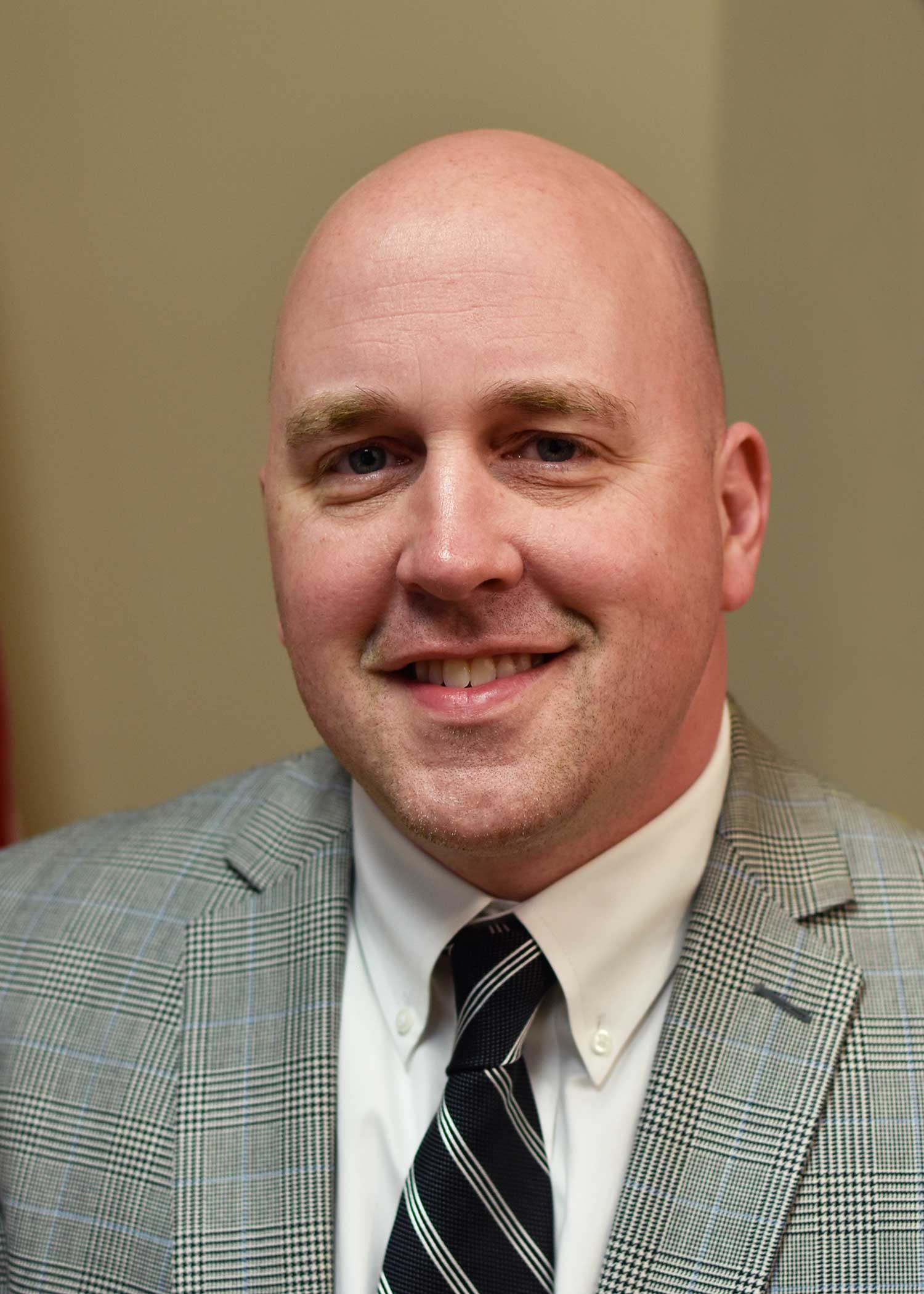
Name
Francis M. Abbott III
Title
Executive Director, Louisiana Board of Pardons & Committee on Parole
Parole Board/Releasing Authority and Years Served
Louisiana Board of Pardons & Committee on Parole / 8 years
Degrees
Associate's from Baton Rouge Community College
Previous Experience
Francis Abbott currently serves as the Executive Director for the Louisiana Board of Pardons & Committee on Parole and the Louisiana Victim Outreach Program and has been in this role since 2018. He has been a member of the Association of Paroling Authorities International since 2020, and currently serves as their Treasurer. He started his career in the Department of Public Safety & Corrections in 2007, with Prison Enterprises and worked at job training industries at Louisiana State Penitentiary, Dixon Correctional Institution, Louisiana Correctional Institution for Women, and Elayn Hunt Correctional Center. He later worked at Louisiana State Penitentiary, where he would manage one of the most innovative program in corrections today the Corrections Reentry Court Workforce Program.
Previous Service with Professional Organizations
Since becoming a member I have served as the Secretary and currently serve as the Treasurer. I have also assisted in facilitating a number of virtual trainings opportunities for APAI members.
Other Relevant Biographic Information
I am a father of three (CoCo 19, Cash 17, and Celie 14). I currently serve on the Angola Prison Museum Board. I was awarded the 2021 APAI Vincent O'Leary Award.
What three issues do you believe are most important to the field of parole/early release?
- Public perception about our work
- Educating stakeholders
- Politics
How do you propose to promote APAI’s vision, to be the recognized voice for the highest professional standards of responsible parole/releasing practices?
Look to engage members with relevant training opportunities throughout the year.
Why do you believe you are the best candidate for this position?
I have currently served in this role for the past two years and my previous experience on the APAI Executive Committee as Secretary.


